
Observations ·
Podcast: Michael Doran on Donald Trump’s Middle East Policy
By Tikvah Podcast at Mosaic and Michael DoranBringing clarity to the confusion.


Michael Doran is a Senior Fellow and Director of the Center for Peace and Security in the Middle East at the Hudson Institute. In the George W. Bush Administration, he served as a Senior Director in the National Security Council, a Senior Advisor in the State Department, and a Deputy Assistant Secretary of Defense in the Pentagon. He has also held teaching positions at New York University, Princeton University, and the University of Central Florida. Dr. Doran's latest book, Ike’s Gamble, was published by Free Press in 2016. He appears frequently on television, and has published extensively in Foreign Affairs, the Wall Street Journal, the Washington Post, the New York Times, Mosaic, Commentary, the American Interest and Tablet.
Observations ·
Bringing clarity to the confusion.
Response ·
Nixon and Kissinger understood Israeli military power to be an asset to America, not a liability, and they formulated a strategy designed to exploit that power.
Response ·
Michael Doran, a leading analyst and author of "The Hidden Calculation Behind the Yom Kippur War," discusses his essay and the eerie resonances between 1973 and 2023.
Monthly Essay ·
It's long been the greatest question about the war: why Israel waited to be attacked. But what if it was convinced to wait by its closest ally, the United States?
Response ·
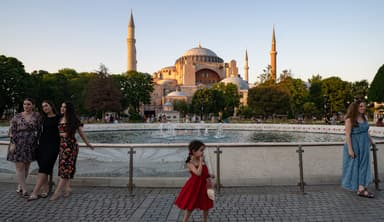
Most American and Israeli foreign-policy thinkers are blind to what's really going on in Turkey, the opportunities there are, and the challenges it presents.
Response ·
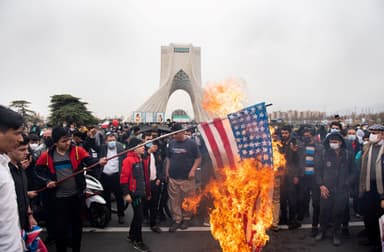
With a new nuclear deal looming, two experts met to discuss what it means, and to think more broadly about the nature of Iran's radical leadership.
Response ·
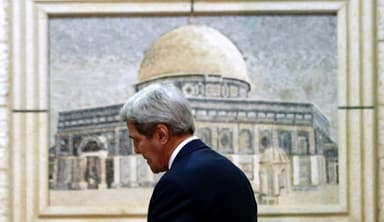
When Americans take a position on Israel, they're not simply talking about Israel. They're also talking about America’s moral character.
Observations ·
Desperate to preserve the nuclear deal, Iran with the help of its Western friends is creating just enough turmoil to make America, and not it, appear eager for war.

Response ·
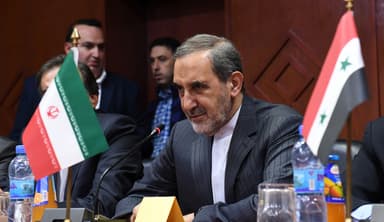
As a strategic concept, defeating the Iranian-led order plays to America’s strengths, serves its vital interests, and is poised to attract the support of its traditional allies.
Monthly Essay ·
America needs to back up its allies (Israel, Saudi Arabia, and potentially Turkey), and isolate its adversaries (Iran, Russia, China, Islamic State). Everything else is secondary.

Observations ·
Professional study of Middle East history now belongs to incompetents and political agitators.

Response ·
Old fashioned anti-Semitism played a role, but the greater part had to do with a fear, justified or not, of provoking the Arabs.
Response ·
America needs to form as broad an international coalition against Tehran as possible—and simultaneously to develop a strategy for the Middle East as a whole.
Monthly Essay ·
The policies of the Obama administration led to carnage in Syria, regional chaos, and the rise of Iran and its alliance with Russia. Can the momentum be reversed—without going to war?
Observations ·
One of them learned from his mistakes, re-examined his fundamental assumptions, and changed course as necessary.

Response ·
President Obama's foreign policy failures—Iran, Syria, Russia—aren't accidents. They're rooted in flawed theories and misguided judgments.
Monthly Essay ·
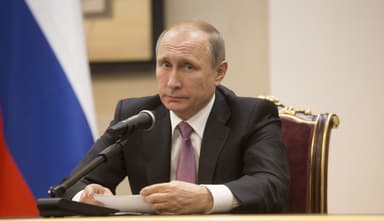
Vladimir Putin's major new role in the Middle East is no accident. It's part and parcel of President Obama's broader strategy.
Observations ·
Why has a ragtag force been able to hold out against the most powerful country in the world? Because America's regional strategy is based on false precepts.
Observations ·
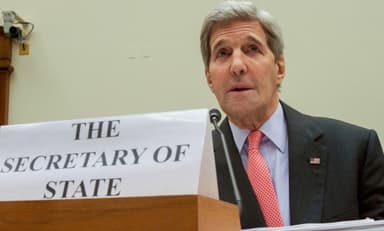
Those who think the Iranians outwitted us fail to recognize one very important thing: the White House never intended to contain Iran.
Observations ·
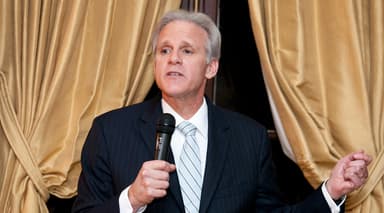
The new memoir by Michael Oren, Israel's former ambassador to Washington, tells all—except for one thing.
Observations ·
The president’s address last week to Congregation Adas Israel as “an honorary member of the tribe” was something other than it seemed.
Observations ·
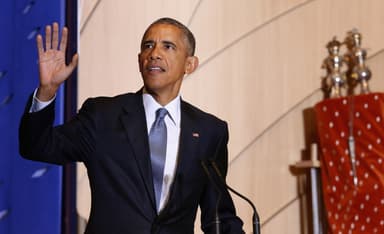
To the president, foreign policy isn't just about safeguarding the country. It's also, as the Iran deal makes clear, about fashioning a creative personal narrative of the effort.
Observations ·
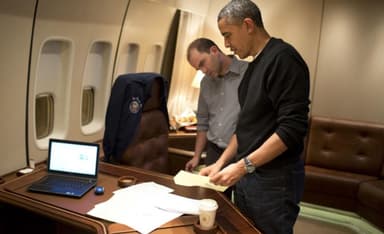
A nuclear deal is only the beginning. The president's goal, at the expense of America's allies, is full-fledged détente with Iran.
Response ·
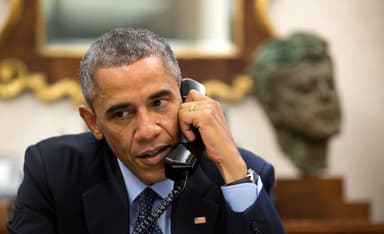
Even his former adviser agrees that the president's Iran policy is collapsing. Can anything be done, or is it too late?
Monthly Essay ·
The president has long been criticized for his lack of strategic vision. But what if a strategy, centered on Iran, has been in place from the start and consistently followed to this day?
Observations ·
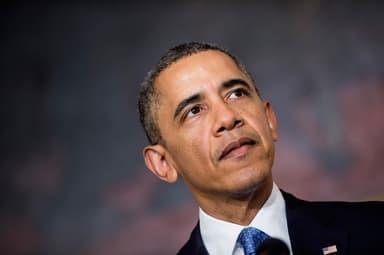
How the president has exploited the international campaign against IS in order to accommodate Iran.
Response ·
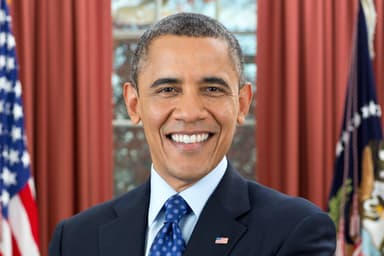
How America can help the new Arab-Israel alliance to resist IS and stabilize the Middle East.
Observations ·
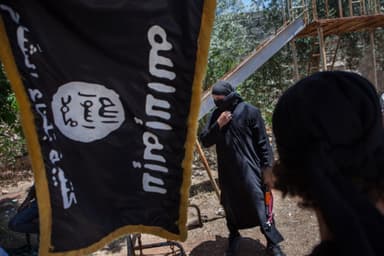
By seeking reconciliation with Iran, Washington alienates its allies and contributes to ever greater mayhem in the Middle East.
Observations ·
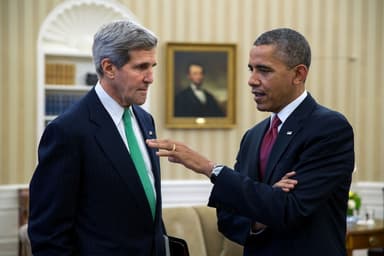
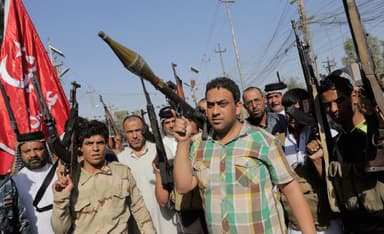
A single conflict now stretches from Baghdad to Beirut. How many sides are there—and whose side is the U.S. on?
Observations ·
Nobody could match him as an interpreter of the Arab Middle East—or as a deft and witty scourge of his academic opponents.
Unlock the most serious Jewish, Zionist, and American thinking.
Subscribe Now