
Response ·
Hamas Didn’t Need to Learn Violence from Frantz Fanon
By Martin KramerWhat Bernard Lewis understood about jihad.



Martin Kramer is a historian at Tel Aviv University and the Walter P. Stern fellow at the Washington Institute for Near East Policy. He served as founding president at Shalem College in Jerusalem.
Response ·
What Bernard Lewis understood about jihad.
Response ·
In part it is because Israelis have a higher regard for the people who wrote it than for the politicians they now elect to office.
Monthly Essay ·
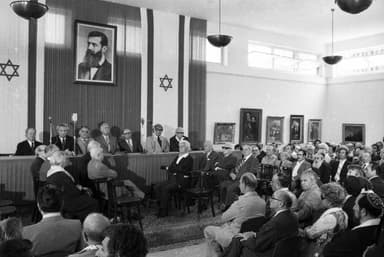
Israel's founders made little of the declaration at the time. It took decades of work by figures of widely different political stripes to make it the towering document it is today.
Observations ·
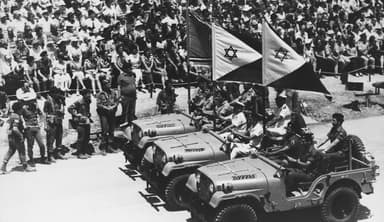
In all but one of the instances in which "rights" appear in the Israeli declaration, they refer to a collective right, not an individual one.
Response ·
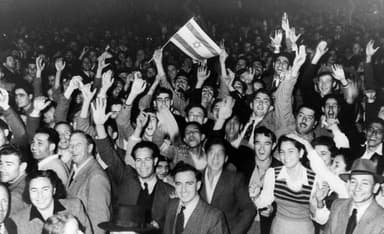
The record of Jabotinsky's practical decisions allows his disciples to reach contradictory conclusions about what he really believed, especially about religion and settlement.
Observations ·
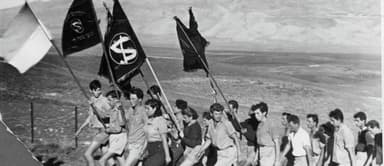
On May 14, 1948, Israel’s founders wanted to emphasize to the world that while the Jewish people had been born in the Land of Israel, its state was the adopted child of the United Nations.
Observations ·
Israel's sixth prime minister was a leader of consequence and achievement. But how does he relate to Israel's origins?
Observations ·
Going by the usual telling of the founding, religious and secular Jews clashed over whether Israel's declaration should evoke God's covenantal promise. How accurate is that account?
Observations ·
The name Israel came by a process of elimination, because there wasn’t time to come up with anything better.
Observations ·
The declaration came together so hurriedly that if the drafters had argued for even a few hours more it would have read much differently.
Observations ·
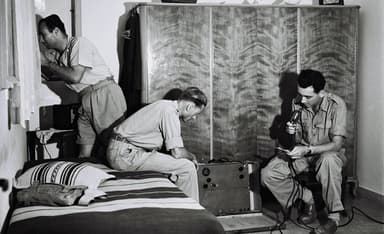
The beginning of a new series investigating how the Israeli Declaration of Independence came about, and what the text reveals about the country it brought into being.
Observations ·
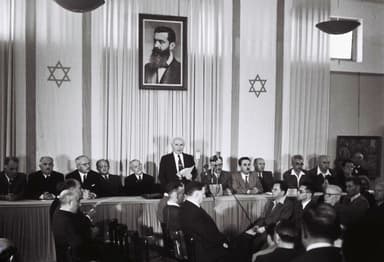
The historian Martin Kramer interviews the former American ambassador to Israel in order to discover how the historic Middle East deals came together.
Observations ·
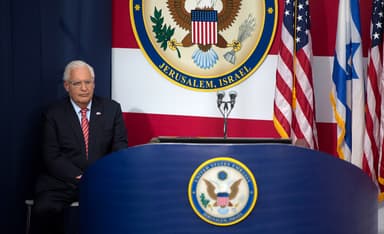
Eugene Kontorovich thinks that the 1920 San Remo conference sits at the foundation of Israel's legitimacy. Martin Kramer disagrees. Who's right?
Observations ·
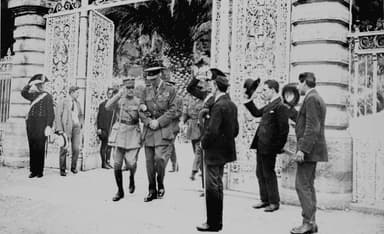
Five more of our regular writers pick several favorites each, featuring what Jews are for, magicians, assassins, call signs, chaos, separated siblings, and more.
Observations ·
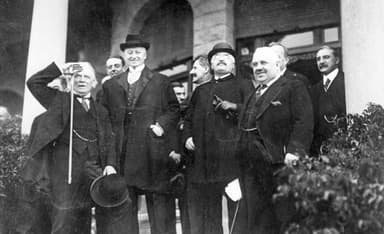
As a Jew, I wish that the resolution signed 100 years ago had been what today’s celebrants claim it was. As a historian of Israel, I must report that it was much less.
Observations ·
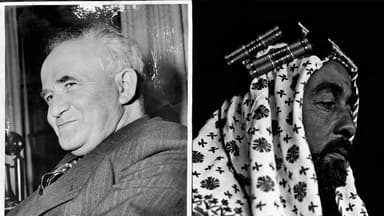
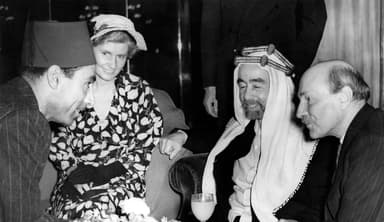
Born within four years of each other, David Ben-Gurion and Abdullah bin Hussein emerged out of the same political womb to forge Israel and Jordan in battle. Both nations should be grateful.
Observations ·
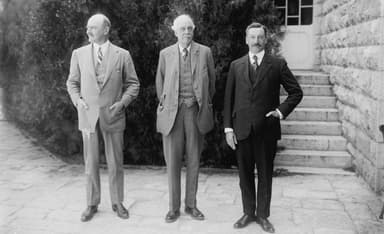
So goes the accusation. But the public commitment Britain made to the Jews in Palestine is very different from the Sykes-Picot accord and other secret "treaties" carving up native lands.
Observations ·
The American billionaire Sheldon Adelson just paid $87 million for the seaside residence of America's ambassadors to Israel. The house has an interesting history.
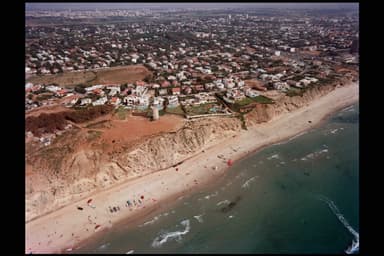
Response ·
The dangers lurking in false portrayals of the Nazi official show why Holocaust films must be held to account.

Response ·
A look at the ghost of annexation past.
Monthly Essay ·
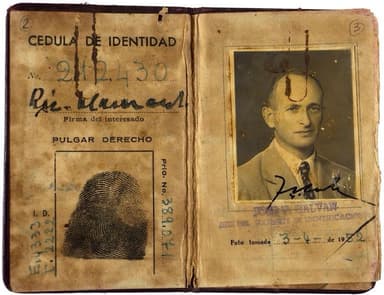
Sixty years ago, the infamous Nazi official was abducted in Argentina and brought to Israel. What really happened, what did Hollywood make up, and why?
Observations ·
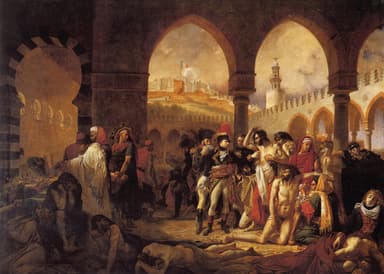
A famous and sorely misunderstood painting of Napoleon touching plague victims in Palestine illuminates the current moment.
Observations ·
Some of Mosaic's regular writers reflect on Neal Kozodoy and his accomplishments.
Response ·
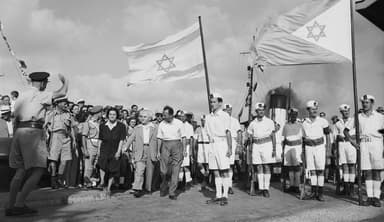
In 1948, he served as a stark counter-example to the view (which he mostly held) that history is driven by material factors and not by great leaders.
Monthly Essay ·
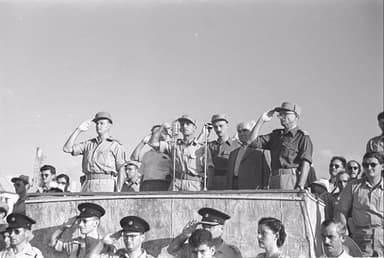
On the eve of Israel's statehood in 1948, with the massed forces of five Arab nations threatening invasion, David Ben-Gurion picked a fight with his own army. Why?
Observations ·
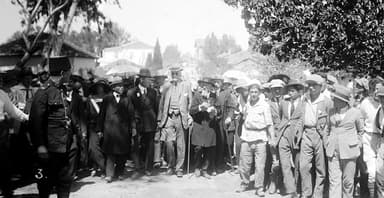
Six more Mosaic writers share their favorites, featuring shadow strikes, orchards, gleanings, constitutional evolutions and revolutions, serotonin, odd women, and more.

Observations ·
It's said that the Oslo peace process was born in that room in Jerusalem in 1992. The truth is much different.

Observations ·
How Zionist leaders held Britain to its promise of a Jewish national home.
Observations ·
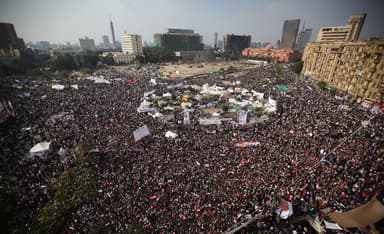
From the Yom Kippur War to the Arab Spring, events considered impossible happen in the Middle East with unusual frequency. Here are seven; when will the eighth appear?
Observations ·
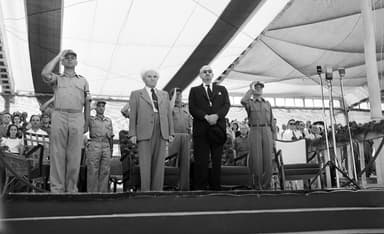
At each point—1897, 1917, and 1947—one Jewish leader appeared, and showed greatness.
Unlock the most serious Jewish, Zionist, and American thinking.
Subscribe Now